Are Smart Home Systems Replacing Traditional Locks—or Reinforcing Them?
Home security has come a long way from simple keys and deadbolts. Today, technology allows homeowners to lock doors, monitor activity, and receive instant alerts right from their smartphones. The question is—can smart home security truly work hand in hand with traditional locks to keep our homes safer than ever?
By Admin
·November 25 10
Undoubtedly, home security is mandatory in every era. However, technology has brought significant changes to many areas. So, the idea of home security has also changed dramatically. A few decades ago, a strong lock and a watchful neighbor were enough to keep a home safe. Now, technology has changed, and we are almost living in the AI era. This change gives homeowners smarter ways to protect their spaces.
Smart home security systems have become one of the most talked-about innovations in recent years. While an important question remains: can they truly work hand in hand with traditional locks? Or are they slowly replacing them?
When you think about home safety, the image of a sturdy door lock instantly comes to mind. For centuries, traditional locks have served as the first line of defense for homes and properties. Their simplicity and reliability made them a go-to choice for everyone. As time passed and technology evolved, people started seeking more control, convenience, and customization in their security systems. Smart home security offering protection that’s not just physical, but digital too.
The Shift from Traditional to Smart Security
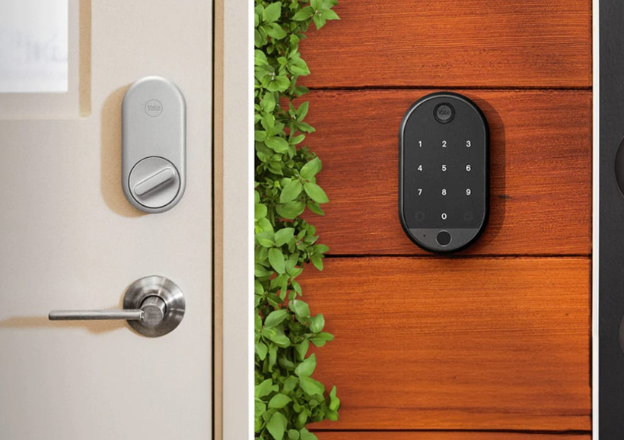
Traditional locks are purely mechanical, relying on keys to keep intruders out. While effective, they come with challenges—lost keys, lock-picking risks, or even wear and tear over time. Smart home security, on the other hand, adds an intelligent layer of protection. Instead of keys, users can now lock and unlock doors with their phones, voice commands, or digital keypads. It’s a major shift that combines security with convenience, isn't it?
Smart locks, motion sensors, security cameras, and connected alarms now form a complete ecosystem. It gives homeowners real-time monitoring and control from anywhere. This evolution shows how technology can make everyday living easier while keeping homes safer. Still, it’s worth noting that traditional locks haven’t disappeared. They have simply become part of a more advanced system.
Benefits of Smart Home Security
One of the biggest benefits of smart home security is control. Imagine being at work and realizing you forgot to lock the door. Instead of driving back home, a few taps on your phone can secure it instantly. This kind of remote access gives peace of mind that traditional locks can’t match.
Real-time monitoring is another advantage. With smart cameras and motion detectors, homeowners receive instant alerts if something suspicious happens. You can even watch live footage of your property in real-time, making it easier to respond quickly in emergencies.
Then there is automation—a key feature that makes modern homes truly smart. You can set schedules for lights to turn on at night, alarms to activate when you leave, or doors to lock automatically. These features not only protect your home but also create the illusion that someone’s always there, deterring potential burglars.
Finally, smart systems often come with integration capabilities. They work seamlessly with other devices like Alexa, Google Assistant, and smart thermostats. This interconnected setup ensures that security is part of your overall smart living experience.
Risks and Challenges of Smart Systems
Despite their appeal, smart home security systems aren’t without risks. Since they rely on internet connectivity, cybersecurity becomes a major concern. Hackers can attempt to access smart locks or cameras if the network isn’t properly secured. That’s why using strong passwords and two-factor authentication is essential.
Another issue is dependency on power and Wi-Fi. Traditional locks don’t need electricity or connectivity, but smart systems do. A power outage or poor internet connection could temporarily limit access or monitoring.
Lastly, cost can also be a consideration. While prices for smart systems have become more affordable, high-quality setups with professional monitoring still require investment. However, the long-term benefits of safety and convenience often outweigh the upfront cost.
Why Smart and Traditional Systems Work Best Together
It’s not necessarily a battle between smart and traditional security, but about how well they complement each other. Traditional locks still provide physical protection that can’t be hacked, while smart systems offer digital awareness and quick response. Together, they create a layered defense strategy that makes homes far more secure than before.
For example, a homeowner can use a traditional deadbolt for primary security and a smart lock to monitor access remotely. If someone tries to tamper with the door, the smart system can alert the owner immediately. This blend of old and new technology ensures that homes remain both physically and digitally secure.
The Growing Popularity of Smart Home Security
The demand for smart security systems is rising rapidly. People love the idea of managing their homes from their smartphones, receiving instant updates, and customizing their safety preferences. Modern homeowners value peace of mind, and smart home technology delivers just that.
Younger generations, in particular, have embraced the shift toward automation. They want everything—lighting, temperature, and security—connected in one ecosystem. Smart security has become more than just a protective measure; it’s now a symbol of modern, connected living.
Cove Smart Home Security
If you are ready to take the next step in home protection, Cove Smart Home Security is a trusted choice. Known for its flexibility, simplicity, and reliability, Cove makes it easy for anyone to feel secure. You can build your own system from scratch or take a short quiz to get a personalized setup recommendation tailored to your home’s needs.
Cove offers a range of smart devices, including cameras, door sensors, motion detectors, and alarm systems, all designed for effortless control through your phone or smart assistant. The best part? Everything integrates seamlessly, allowing you to monitor and manage your home anytime, anywhere.
Unlike many traditional systems that are complex and expensive to install, Cove gives you professional-grade protection at an affordable price with straightforward installation. Their customer service is highly rated for being responsive and helpful, ensuring your home stays safe and connected at all times.
Smart home security isn’t here to replace traditional locks; it’s here to enhance them. While traditional locks provide the physical layer of safety, smart systems add intelligence, convenience, and awareness to the mix. Together, they create a powerful combination that protects homes better than ever before.
As technology continues to evolve, smart security will only become more intuitive and effective. So, if you’re looking for a modern, reliable, and easy way to secure your home, Cove Smart Home Security is a brand worth trusting. It empowers homeowners to stay one step ahead—offering peace of mind, flexibility, and complete control at the touch of a button.
In the end, smart home systems are not necessarily replacing traditional locks—they are reinforcing them. While a good deadbolt still provides essential physical security, smart devices add layers of convenience, monitoring, and control that were never possible before. Combining both ensures a home that is not only secure but also smarter, giving peace of mind whether at home or away. It is clear now how smart locks and traditional locks can work together to create a safer, smarter living environment with Cove Smart Home Security. Now you can take control of your home security with options that fit your lifestyle. Whether you want to build your own system or get a personalized setup, Cove ensures the perfect protection for every home—smart, safe, and simple.
Cove has an affiliate program, and we are affiliated with them. As an affiliate partner, I’m excited to share this information with you. By just clicking the following link, you may get a discount on your favorite product. We may earn a samml commission at no extra cost to you.
Stay tuned to TryCoupon to explore more benefits of smart home security.