How to Remove Gel Nail Polish Safely at Home Using Nail Gel Remover
Removing gel polish at home does not have to damage nails. This guide explains a safer method using a nail gel remover step by step.
By Admin
·March 26 25
Although gel polish looks smoother and lasts longer than ordinary polish, it can be difficult to remove. Many people wind up over-filing or peeling their nails, which eventually weakens them. This article describes how to use a nail gel remover safely at home, how it works, and how to steer clear of frequent mistakes that might cause damage.
Why Removing Gel Polish the Wrong Way Damages Nails
Gel polish bonds tightly to the nail surface, which is why it lasts for weeks without chipping. That same durability makes improper removal risky. When layers are forced off too early, they take parts of the natural nail with them. People on forums mention thinning, peeling, and sensitivity after repeated removal attempts. In most cases, the issue is not the gel itself but the method used to remove it.
Common Mistakes People Make During Removal
Many individuals rush the process or skip preparation steps. These habits usually lead to unnecessary damage.
- Peeling gel polish off without softening it first.
- Over-filing the nail plate to speed up removal.
- Leaving the remover on for too little time.
- Using excessive force with metal tools.
These actions weaken the nail surface and make future polish application uneven. A proper method focuses on softening rather than forcing removal.
Why Traditional Soaking Is Not Always Ideal
Soaking nails in acetone has been the standard approach for years, but it comes with drawbacks. It requires longer exposure, creates dryness, and often feels messy. Some people report that soaking leads to white chalky nails and irritated skin around the cuticle. Gel polish removers designed for targeted application reduce this exposure and offer more control during the process.
How Nail Gel Remover Works on UV Gel Polish
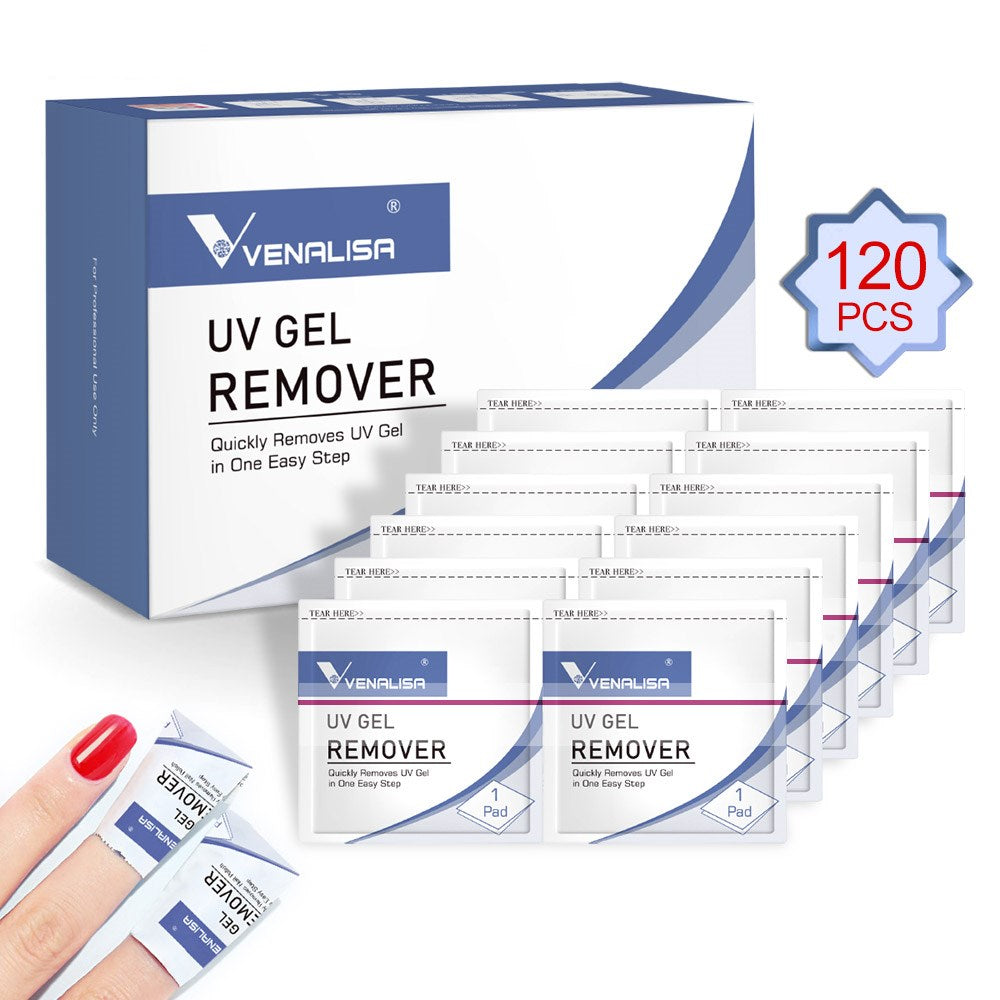
A nail gel remover works by breaking down the hardened gel layer instead of dissolving everything at once. This allows the polish to lift gradually without damaging the nail underneath. Products like Venalisa are designed to simplify this process with pre-prepared remover wraps that keep the solution in place while it works.
What Makes It Different from Basic Gel Polish Removers
Unlike traditional liquid solutions, a UV gel polish remover often uses a controlled delivery method. In the case of Venalisa, remover-soaked cotton is wrapped directly around each nail.
This approach provides several advantages, such as:
- Even distribution across the nail surface.
- Reduced evaporation compared to open soaking.
- Less contact with surrounding skin.
- More predictable removal time.
Many people prefer this method because it feels cleaner and easier to manage, especially at home.
When to Use a UV Gel Polish Remover
This technique is most effective when applied to cured gel polish that has been appropriately coated with a top coat. It is especially helpful for thick coatings that are difficult to remove quickly. If nails have multiple layers or builder gel, leaving the remover on for slightly longer can improve results. Patience plays a key role in achieving clean removal without scraping.
Step-by-Step Guide to Removing Gel Polish at Home
An organised approach protects nail health and gets better results. Venalisa offers a straightforward approach that is in line with what experts say to do.
Preparing Nails Before Applying Remover
Start by gently filing the top coat. This step is essential because it allows the remover to penetrate the gel layer more effectively.
Focus only on removing the shine rather than thinning the nail. Over-filing at this stage can cause long-term damage. Clean the nail surface afterward to remove dust and oils.
Applying the Nail Gel Remover Correctly
Open the Venalisa remover wrap and place the soaked cotton directly on the nail. Wrap it securely so the solution stays in contact with the gel. Leave the wrap on for around ten minutes. During this time, the gel begins to loosen and lift from the nail surface.
Avoid checking too early, as this interrupts the process. This method is often considered one of the best gel nail polish remover techniques because it combines efficiency with minimal mess.
Removing Softened Gel Without Damage
The gel should look like it has been lifted or broken a little bit once you take off the wrap. Gently push the softer layers off using a steel pusher. If resistance is felt, stop and reapply the remover instead of forcing it off.
This step determines whether nails remain smooth or become damaged. Many people notice that gel polish removers like this reduce the need for aggressive scraping, which helps preserve nail strength over time.
Tips That Help Protect Nail Health after Removal
Removing gel polish is only part of the process. What happens afterward has a direct impact on nail recovery and future applications.
Hydration and Nail Care Routine
After taking off the nails, they usually feel dry because of the remover solutions. Putting moisture back in helps keep them flexible and strong.
Simple care habits do make a difference:
- Apply cuticle oil daily.
- Use a nourishing hand cream.
- Avoid immediate reapplication of gel polish.
- Keep nails trimmed and shaped.
People who do these things correctly claim they have fewer problems with peeling or brittleness.
How Often You Should Remove Gel Polish
Frequent removal without breaks can stress the nail plate. Giving nails time to recover between applications improves overall health. A common approach is to leave a gap of at least a few days before applying new gel.
During this time, focus on hydration and gentle care. Venalisa gel polish is known to last up to three weeks when applied correctly, which reduces the need for frequent removal cycles.
Frequently Asked Questions about Nail Gel Remover
Does Nail Gel Remover Damage Natural Nails?
When used correctly, a nail gel remover does not damage natural nails. Damage usually comes from peeling or scraping too aggressively, rather than the product itself.
How Long Should I Leave Gel Remover on My Nails?
Most UV gel polish remover products require around ten minutes. Thicker layers may need slightly more time, but rushing the process often leads to incomplete removal.
Can I Use Gel Polish Removers Without Filing First?
Filing off the top coat is important. Without this step, the remover struggles to penetrate the gel layer, making the process slower and less effective.
Why Does My Gel Polish Not Come off Easily?
This usually happens when the remover is not left on long enough or the top coat is not properly filed. Reapplying the remover instead of forcing removal helps avoid damage.
Is Venalisa a Good Option for Home Use?
Venalisa offers a simple wrap-based system that many people find easy to use. Its pre-prepared remover format reduces mess and simplifies the process for beginners.
Safe gel removal comes down to patience and the right method. Using a structured approach with a nail gel remover allows the polish to lift naturally instead of being forced off. Over time, this protects nail strength and improves how future manicures look and last. For more practical nail care insights and updated techniques, staying connected with the right products like those from Venalisa can make all the difference. If you’re looking to get the UV Gel Remover, you should give Venalisa a go.
For more on nail care, follow TryCoupon.