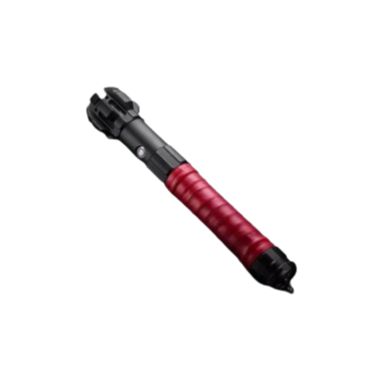
Iron Neck Exercises for Neck & Shoulder Rehab
Neck stiffness and sore shoulders are common problems for both athletes and people who spend long hours sitting. Iron Neck exercises offer a simple way to strengthen the neck, improve posture and support shoulder rehab with controlled resistance training.
By Admin
·February 26 01
No matter if you’re an athlete trying to work out at the gym or a person dealing with chronic neck tension from long hours at a desk, one problem seems almost the same: neck stiffness and sore shoulders. You might feel it after a heavy workout, a long day of sitting, or even just sleeping in the wrong position. Over time, this discomfort can affect postures, mobility, and even your overall performance both in sports and in everyday life.
This is where Iron Neck comes in, designed to target neck and shoulder muscles. A tool that helps strengthen, stabilize, and relieve tension. But before knowing deeply what an iron neck is, let's first talk about why neck and shoulder rehab matters.
What is Iron Neck?
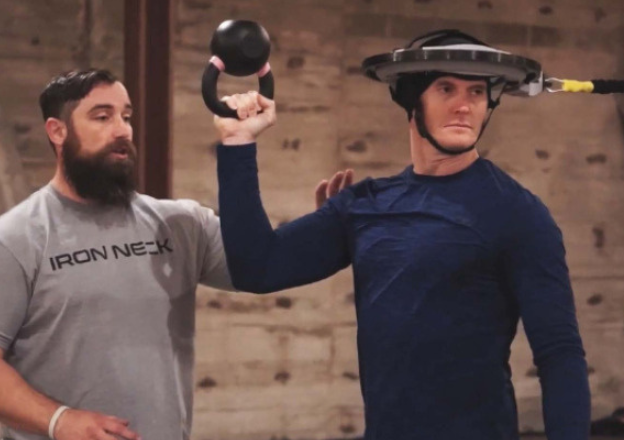
When it comes to neck and shoulder rehab, Iron Neck is a solid choice. It’s a training and therapy device designed to help build strength and reduce pain. It improves the way your head and shoulders move. The Iron Neck uses controlled resistance to train neck muscles:
-
Wear it on your head and connect it to a resistance band or built?in system.
-
As you move your head in different directions, the device provides even resistance.
-
This resistance engages the muscles around the neck and shoulders in a balanced way.
This is much better than just stretching or basic bodyweight moves.
Why Neck & Shoulder Rehab Matters?
Strong neck and shoulder muscles are more important than most people realize. They not only help lift weights or play sports, but also support posture, protect your spine, and prevent injuries. When the body muscles are weak or stiff, it’s easy to develop pain, which also leads to serious injuries over time. For fitness enthusiasts, keeping the neck and shoulders strong has big benefits:
-
Better performance: Strong muscles help lift heavier, move faster, and train longer.
-
Less pain: Rehabilitation can reduce stiffness, tension, and soreness.
-
Improved mobility: strong muscles let you move flexibly without restriction.
Moreover, studies show that neck injuries are common in athletes, especially in contact sports such as football or martial arts. Even in everyday workouts, poor posture can lead to strains. That’s why focusing on strengthening exercises is so important.
Features that Make Iron Neck Effective
Here’s what makes Iron Neck especially helpful for rehab and strength:
-
360° resistance training allows training the neck from every direction instead of minimal angles. This helps activate all the neck muscles, including deeper muscles that normal exercises often miss.
-
Isometric training focuses on holding resistance without large movements. This type of training is very helpful for rehab because it builds strength while putting less stress on the joints.
-
The adjustable and comfortable design helps the device fit different head shapes easily. Features like AirFit™ padding and adjustable parts make the training feel secure.
Iron Neck Exercises for Rehab
Before jumping into advanced workouts, it’s best to start with simple Iron Neck exercises that gently strengthen the neck and shoulders while improving mobility:
Basic Neck Rotation
This exercise helps improve neck mobility and strengthens the muscles responsible for turning the head.
How to do it:
-
Attach the Iron Neck to a stable anchor at about head height.
-
Stand tall with your feet shoulder-width apart.
-
Keep the shoulders relaxed and stable.
-
Slowly turn the head to the right against the resistance.
-
Return to the center position.
-
Repeat the same movement on the left side.
Tips: Move slowly to avoid jerky movements. Start with light resistance until the neck gets stronger.
Lateral Flexion
This movement targets the muscles on the sides of the neck, which are important for posture and stability.
How to do it:
-
Stand sideways to the anchor point while wearing the Iron Neck.
-
Keep the shoulders relaxed and spine straight.
-
Slowly tilt the head toward your shoulder against resistance.
-
Pause for a moment at the end of the movement.
-
Return to the neutral position.
Regularly training these side muscles can help reduce neck stiffness during workouts.
Forward & Backward Resistance
This exercise works the front and back neck muscles, which support the head and protect the spine during workouts:
How to do it:
-
Stand facing away from the anchor point.
-
Slowly move the head forward against the resistance band.
-
Return to the neutral position.
-
Then perform the opposite motion by gently pushing the head backward against resistance.
This exercise helps build balanced neck strength and reduces the risk of strains.
Shoulder Integration
Strong shoulders help support the neck, so combining neck and shoulder movements is very useful for rehab.
Simple move to try:
-
Stand upright while wearing the Iron Neck.
-
Keep the neck in a neutral position with light resistance.
-
Slowly squeeze shoulder blades together.
-
Hold for a few seconds, then relax.
This exercise improves posture and helps the neck and shoulder muscles work together. Over time, it can reduce tension caused by poor posture or long workout sessions.
FAQs
How Often Should I Do Iron Neck Exercises?
Most beginners can train their neck 2–3 times per week to build strength safely.
Are Iron Neck Exercises Safe for Home Workouts?
Yes, they can be done at home as long as you use proper form and controlled movements.
How Long Does It Take to See Results?
Many people notice better mobility and less stiffness within a few weeks of consistent training.
Taking care of your neck and shoulders is as important as training the overall body. stiff neck muscles can lead to poor posture, limited movement, and discomfort during workouts. By adding Iron Neck exercises to the routine, you can gradually build strength, improve mobility, and support better alignment. Over time, these small efforts can make a big difference in how you move every day. So check out the versions of Iron Neck training systems now.
Stay tuned to TryCoupon to explore more about the Iron Neck.