How To Clean The Coldest Water Bottle Without Damaging The Insulation
A good insulated bottle lasts longer when it is cleaned the right way. This guide explains how to keep the coldest water bottle fresh without dulling performance.
By Admin
·June 26 04
The Coldest water bottle is made to keep drinks cold for long hours, but it doesn`t matter how well it works if the bottle starts to smell or gets dirty. A rushed cleaning routine often misses the lid, threads, and small parts where odor and residue usually hide.
This guide tells you how to clean the coldest water bottle properly, what not to do, and how often you should do a deep clean.
Why Proper Cleaning Matters For The Coldest Water Bottle
An insulated bottle handles daily wear well, but it still traps moisture, saliva, and residue. Over time, that buildup can affect smell, taste, and overall freshness. The problem is rarely the steel itself. In most cases, it starts in the cap, the mouthpiece, or the seal where air does not circulate well.
People often mention that the Coldest water bottle that looks clean but still smells off the next morning. That usually happens because only the inside wall gets washed while the lid and hidden corners get ignored. A proper cleaning routine protects both hygiene and long term use, which matters more with a bottle people expect to keep for years.
Common Problems People Notice When Bottles Are Not Cleaned Properly
Lingering Odors Inside The Bottle
A sour or stale smell often shows up after flavored drinks, electrolyte mixes, or water left inside for too long. Even plain water can create odor if the bottle is sealed when it`s still damp. Becuase when the moisture stays trapped, smell tends to cling to the lid and upper rim more than the body.
Mold Or Residue Around The Lid
The lid is the part most people underestimate. Straw openings, silicone seals, and the underside of the cap can collect grime fast. Those areas stay dark, damp, and sealed, which makes them the easiest place for mold or residue to develop.
This is also where many unpleasant smells begin. People often describe black spots under seals or sticky residue around the mouthpiece after regular use.
Mineral Buildup From Daily Use
If tap water leaves a cloudy film or white marks inside the bottle, mineral buildup is likely the cause. It may not seem urgent at first, but over time it can affect taste and leave the interior feeling rougher than it should.
This kind of buildup becomes harder to remove when it sits too long. It also tends to collect around threads and tight corners where a quick rinse does very little.
Simple Daily Cleaning Routine That Keeps Bottles Fresh
Rinse Method After Every Use
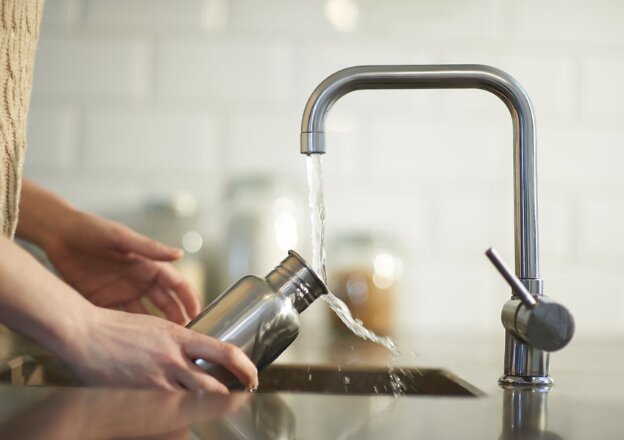
The easiest habit and one one that also makes the biggest difference. After each use, rinse the bottle with warm water, remove the cap, and let both parts dry separately for a while. That small pause gives trapped moisture a chance to escape before the bottle is sealed again.
For plain water, this simple rinse method often keeps things under control between regular washes. For anything else that could be sweet, flavored, or milky, wash the bottle with soap the same day.
When To Use Water Bottle Cleaners
Mild soap handles most daily washing, but some situations call for more help. Water bottle cleaners can be useful when odor lingers, mineral film builds up, or the bottle has been neglected for several days. They work best as an occasional reset rather than part of every wash.
That balance matters because stronger products are not meant to replace good habits. If the bottle is rinsed daily and cleaned properly each week, most people will only need water bottle cleaners now and then.
Deep Cleaning Method For The Coldest Water Bottle
Deep cleaning starts with taking everything apart. Wash the bottle, lid, straw, and any removable seal separately with warm water and mild soap. Rinse each part well, then leave everything open to air dry before putting it back together.
This is where patience pays off. A fast soak may loosen grime, but it does not always remove what collects in narrow areas.
Using A Cleaning Brush For Water Bottle Interior
A cleaning brush for water bottle care allows you to get to the bottom without having to push harsh against the steel. Choose a soft brush with enough length to clean the full interior, especially the lower curve and the upper shoulder near the rim.
That upper area gets missed more than people realize. It is one of the easiest places for residue to stick, especially when the bottle is used for more than plain water. A gentle scrub there often solves the odor problem that quick shaking and rinsing never fully removes.
Cleaning The Lid Straw And Small Parts
The lid needs a slower approach than the bottle body. Wash every small part on its own and pay close attention to seams, mouthpieces, and rubber seals. A narrow cleaning brush for water bottle works well for straws and hard to reach corners.
People often point to the lid as the true source of repeated smell. That is why drying matters too. If the cap goes back on while parts are still damp, moisture stays trapped in the exact spots where mold likes to form.
Mistakes That Can Damage Insulated Water Bottles
Harsh Chemicals That Should Be Avoided
Strong cleaners may seem like the fastest answer, but they can leave behind scent, affect taste, or make regular maintenance harsher than it needs to be. For normal cleaning, mild soap and warm water are the safest option.
A gentle routine is usually more effective over time because it gets repeated consistently. Harsh products often become a shortcut people reach for after problems build up. It is better to prevent those problems with regular care than to attack them aggressively later.
Dishwasher And Heat Related Issues
High heat can be rough on insulated bottles, especially around the lid, finish, and sealing parts. Unless a specific product clearly says otherwise, hand washing remains the safest choice for preserving long term performance.
This matters because insulation is only one part of the bottle experience. A bottle may still hold temperature well, but worn seals, faded finish, or damaged lid parts can make daily use less reliable. A simple hand wash helps avoid that.
Frequently Asked Questions
Can The Coldest Water Bottle Still Smell After Washing
Yes. In many cases the odor is coming from the lid, straw, or seal rather than the bottle wall.
What Helps Remove Buildup Inside The Bottle
A soft cleaning brush for water bottle use works well because it reaches the bottom and the upper curve without scratching the interior.
Are Water Bottle Cleaners Necessary Every Week
Not always. They are most useful when smell, film, or mineral buildup remains after normal washing.
Clean habits do more for the coldest water bottle than any quick fix. A warm rinse, a careful wash around the lid, and enough drying time will keep it fresher and easier to use every day.
For more on hydration and health, follow Trycoupon.